
7 Design Ideas We Brought Home From Il Salviatino in Fiesole
Il Salviatino, a 15th-century villa and luxury hotel in the hills above Florence, designer Alessandra Rovati Vitali shares seven ideas for creating a warm, layered home.
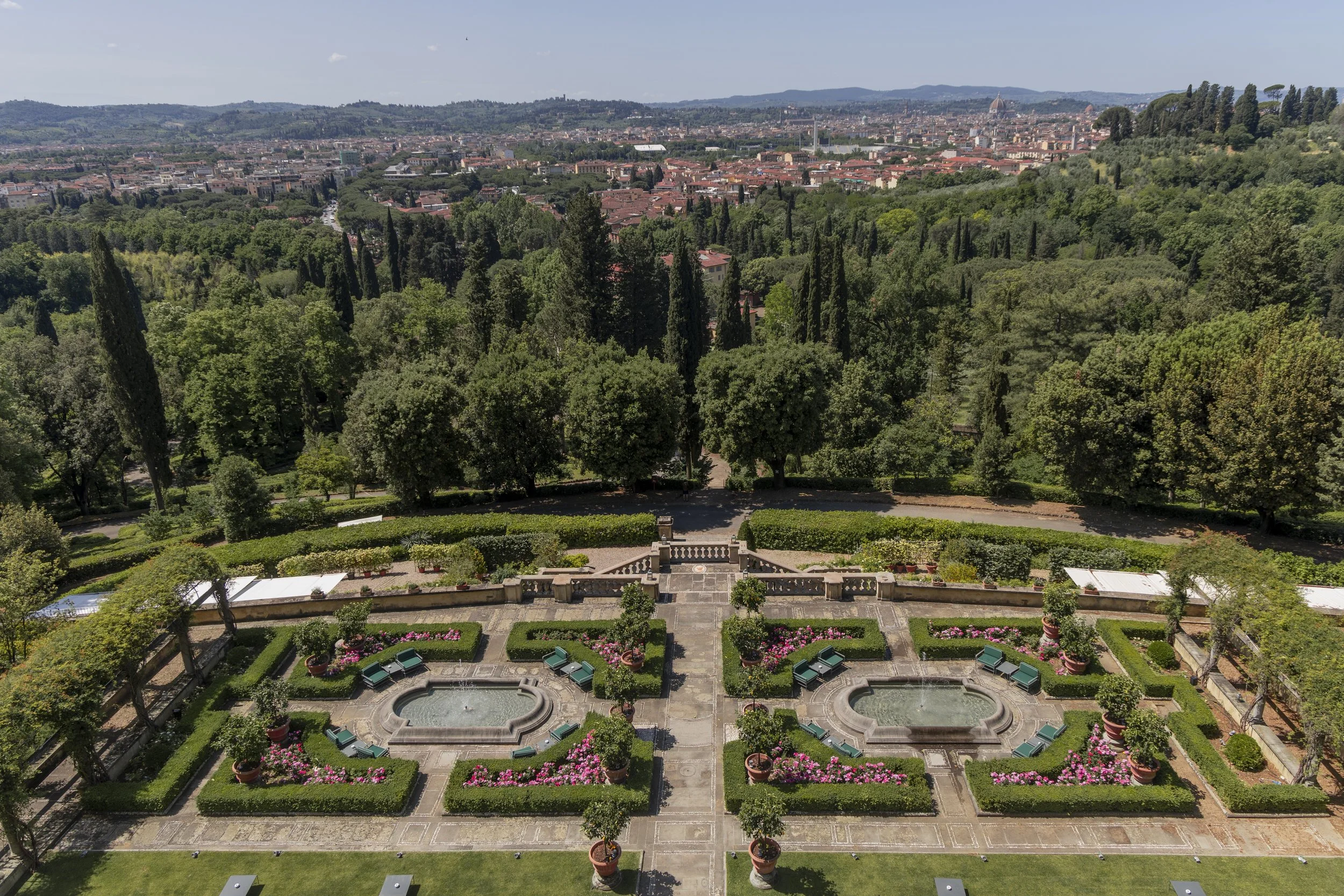
Photo credits: Dario Garofalo
The best hotels don't just inspire your next trip—they inspire the way you live at home.
That was certainly the case at Il Salviatino, a 15th-century villa tucked into the hills of Fiesole just outside Florence. Set within 12 hectares of gardens overlooking the city and its iconic Duomo, the hotel has the grandeur you would expect from a historic Tuscan villa, but the interiors feel surprisingly warm, personal, and lived in.
Much of that feeling comes from designer Alessandra Rovati Vitali, who brought decades of experience creating interiors and luxury experiences to Il Salviatino when she took on the property in 2017. Rather than treating the villa as a historic showpiece, she has layered its centuries-old architecture with contemporary furniture, Italian craftsmanship, art, greenery, and objects that feel as though they have found their way into the house over time. “Il Salviatino has all the grandeur of a historic Florentine villa, but first and foremost it's a home - one that’s been loved, lived in and cared for over centuries,” she says.
During our stay, I kept noticing ideas that had little to do with owning a Tuscan villa and everything to do with creating a home that feels more inviting. So I asked Rovati Vitali about the thinking behind the spaces and, more importantly, what we can borrow from Il Salviatino for our own homes.
1. Start With the Light
It would be easy to assume that the furniture, color, or historic architecture comes first in a house like this, but Rovati Vitali points to something much simpler: light. Throughout Il Salviatino, natural light is treated as an essential part of the room rather than an afterthought.
“People often start by thinking about furniture or colours, but light changes everything. It completely transforms how a room feels throughout the day. To me, good light brings warmth and atmosphere. It makes a space feel calm, welcoming and lived in, which is always far more important than following any particular trend.”
Bring It Home: Before buying anything new, look at your light. Move furniture away from windows, replace heavy window treatments, and add lamps where natural light falls short.
Natural light pours into a Duomo View room, where the windows and landscape become part of the design.
2. Mix Old and New
Some of the villa's most interesting spaces pair centuries-old architectural details with decidedly contemporary furniture. Modern pieces keep the rooms from feeling frozen in time, while the historic surroundings give newer furnishings greater depth.
“Contemporary pieces should never compete with historic architecture, they should complement it. The relationship should feel respectful and balanced, allowing each element to strengthen each other."
Bring It Home: Add one piece from a different era. Pair a modern sofa with an antique side table, hang contemporary art above a vintage dresser, or place a sculptural lamp on an inherited piece of furniture.
Contemporary furnishings create contrast with the villa's ornate historic architecture.
3. Celebrate Craftsmanship
Throughout Il Salviatino, Italian craftsmanship is as much a part of the design as the villa's historic architecture. Beautifully made furniture and artisanal details give each room its own character, whether the pieces are traditional or contemporary.
“Every room is different, and each one includes pieces that celebrate Italian artisanship. You'll find beautiful Tuscan craftsmanship sitting alongside contemporary design because I love that conversation between old and new. To me, that's what makes a space feel warm, personal and full of character,” Rovati Vitali says.
Bring It Home: Look for furniture and decorative pieces that showcase craftsmanship, whether it's a hand-carved wooden table, a beautifully upholstered chair, or handmade ceramics. A few well-made pieces can give a room character without requiring a complete redesign.
Italian craftsmanship is celebrated throughout Il Salviatino, where traditional and contemporary furnishings give each room its own personality.
4. Choose Objects With Meaning
At Il Salviatino, the smaller details are considered just as carefully as the furniture. Books, artwork, ceramics, and other objects aren't there simply to occupy an empty shelf or tabletop; they bring history, craftsmanship, or emotion to the room.
“I never think of objects as accessories added to fill empty surfaces. Each piece should feel as though it belongs there, creating a dialogue with the architecture and with the people who experience the room.”
Bring It Home: Be selective about what you display. Choose objects because you love their craftsmanship, they hold a memory, or they simply make you happy to see them—and don't be afraid to leave some space empty.
Carefully chosen books, art, and objects give the villa's interiors personality without filling every surface.
5. Turn Your Outdoor Space Into a Place to Stay
Il Salviatino's gardens are designed to be lived in, not simply admired. Along with terraces, shaded tables, and intimate seating areas, the grounds provide herbs, fruit, and vegetables for the restaurant and are home to Michelangelo Pistoletto's land art installation, The Third Paradise. Together, these elements make the gardens feel like an extension of daily life at the villa.
“We wanted to create places where people naturally linger, whether that's breakfast overlooking Florence, lunch beneath the trees or simply enjoying the changing light as the day unfolds,” Rovati Vitali says.
Bring It Home: Think about what you want to do outside, not just how you want it to look. Create a spot for dining or reading, grow herbs or vegetables you can actually use, and bring in art or decorative objects that give the space personality.
Shaded seating, edible gardens, and art make Il Salviatino's grounds an extension of life inside the villa.
6. Bring Something Living Into Every Room
Flowers and greenery appear throughout Il Salviatino, connecting the interiors to the gardens and softening even the villa's grandest rooms. It's one of the simplest ideas in the hotel—and one of the easiest to recreate at home.
“I think bringing nature into your home makes an enormous difference. Flowers, greenery, natural materials or even simply opening your home to more light can completely change how a space feels,” Rovati Vitali says. “Those small things create warmth, and that's what people remember.”
Bring It Home: Add one living element to a room. A vase of branches, fresh flowers, a potted plant, or even a bowl of seasonal fruit can bring color, texture, and life to a space.
Flowers and greenery bring softness and life to Il Salviatino's layered interiors.
7. Let Your Rooms Evolve Over Time
Perhaps the most useful lesson from a centuries-old house is that a home doesn't need to look finished. Il Salviatino continues to change with new art, flowers, objects, and the people who inhabit its rooms, which is part of what keeps the historic property feeling alive.
“There comes a moment when everything feels balanced and comfortable, but I always like leaving room for something new to find its place,” Rovati Vitali says. “That's how Il Salviatino has evolved over the years. Every season brings something different, whether it's flowers in the gardens, a new artwork, or simply seeing guests make new memories here.”
Bring It Home: Give yourself permission to leave a room unfinished. Live with it, add pieces when you find something you love, and let your home change along with you.
Il Salviatino's interiors are designed to evolve, with art, furnishings, flowers, and objects added over time.
A Home Should Feel Good to Live In
For all of Il Salviatino's grandeur, Rovati Vitali ultimately comes back to three principles: “Authenticity, proportion and comfort.”
It's a philosophy that extends beyond the way the villa looks to the way people experience it. “The homes and hotels we remember most aren't necessarily the grandest, they're the ones that make us feel looked after,” she says.
And that may be the most useful design idea of all: a memorable home isn't defined by its size, age, or architecture, but by how it feels to live there.
Photo credits: Dario Garofalo
TRAVEL NOTES
Il Salviatino, Florence: The interiors of Il Salviatino layer contemporary furnishings and Italian craftsmanship within the historic architecture of a 15th-century Florentine villa.
Design: Alessandra Rovati Vitali
Stay: Il Salviatino
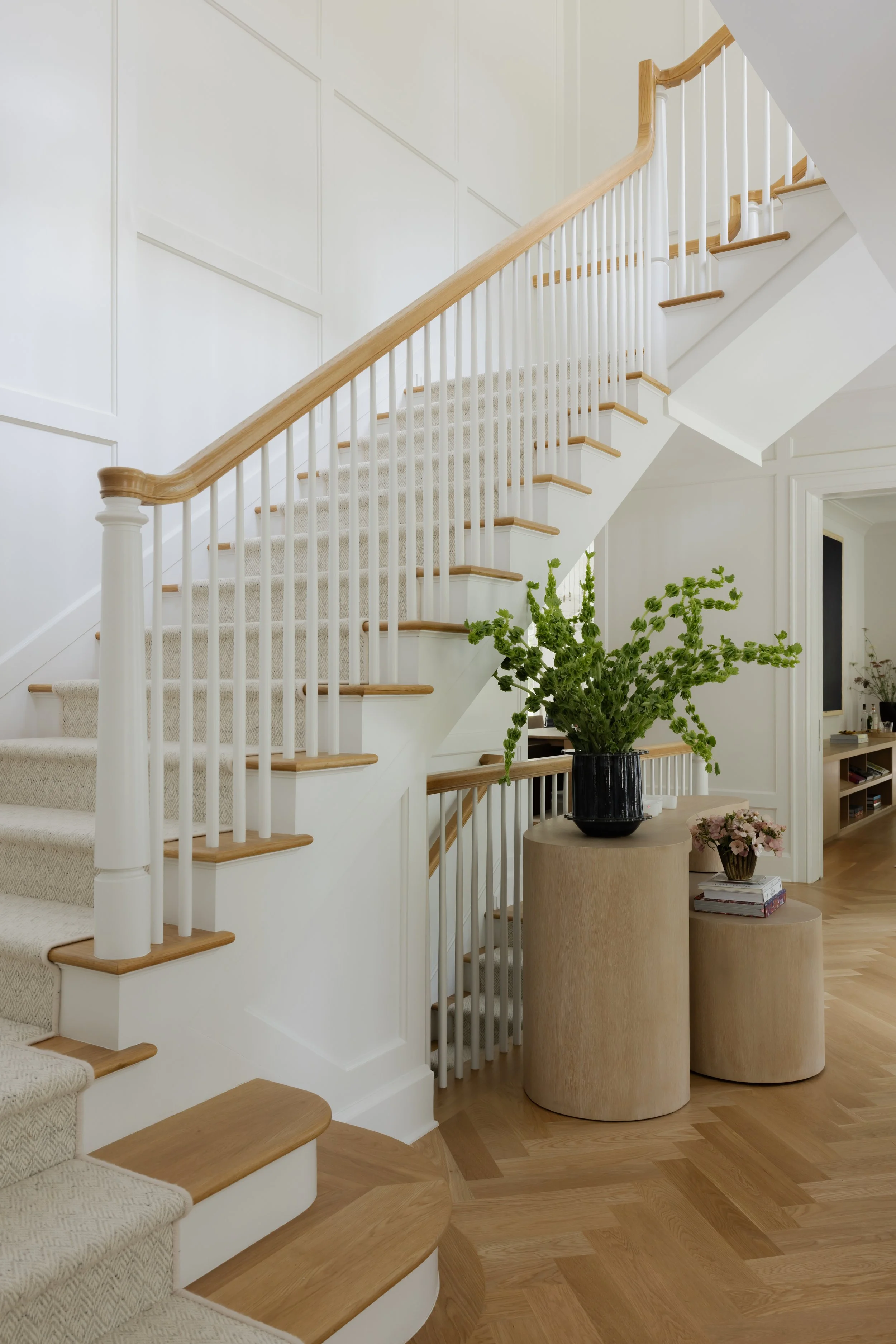
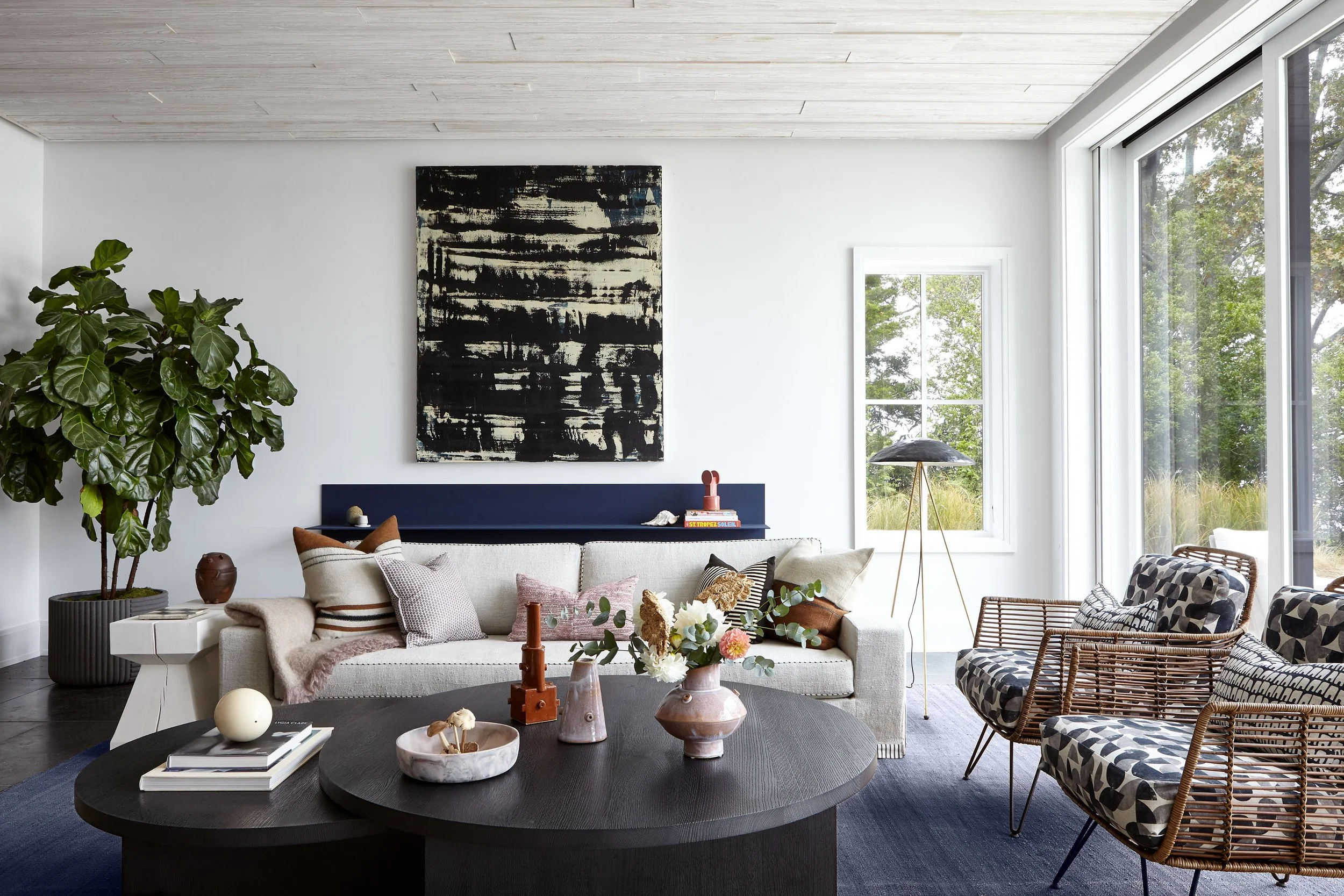
A centuries-old villa in the hills above Florence offers a fresh perspective on what makes a house feel like home. Discover seven design ideas worth bringing home from Il Salviatino.