
7 Interior Design Ideas to Bring Home From La Gemma, a Florence Hotel Inspired by the Duomo
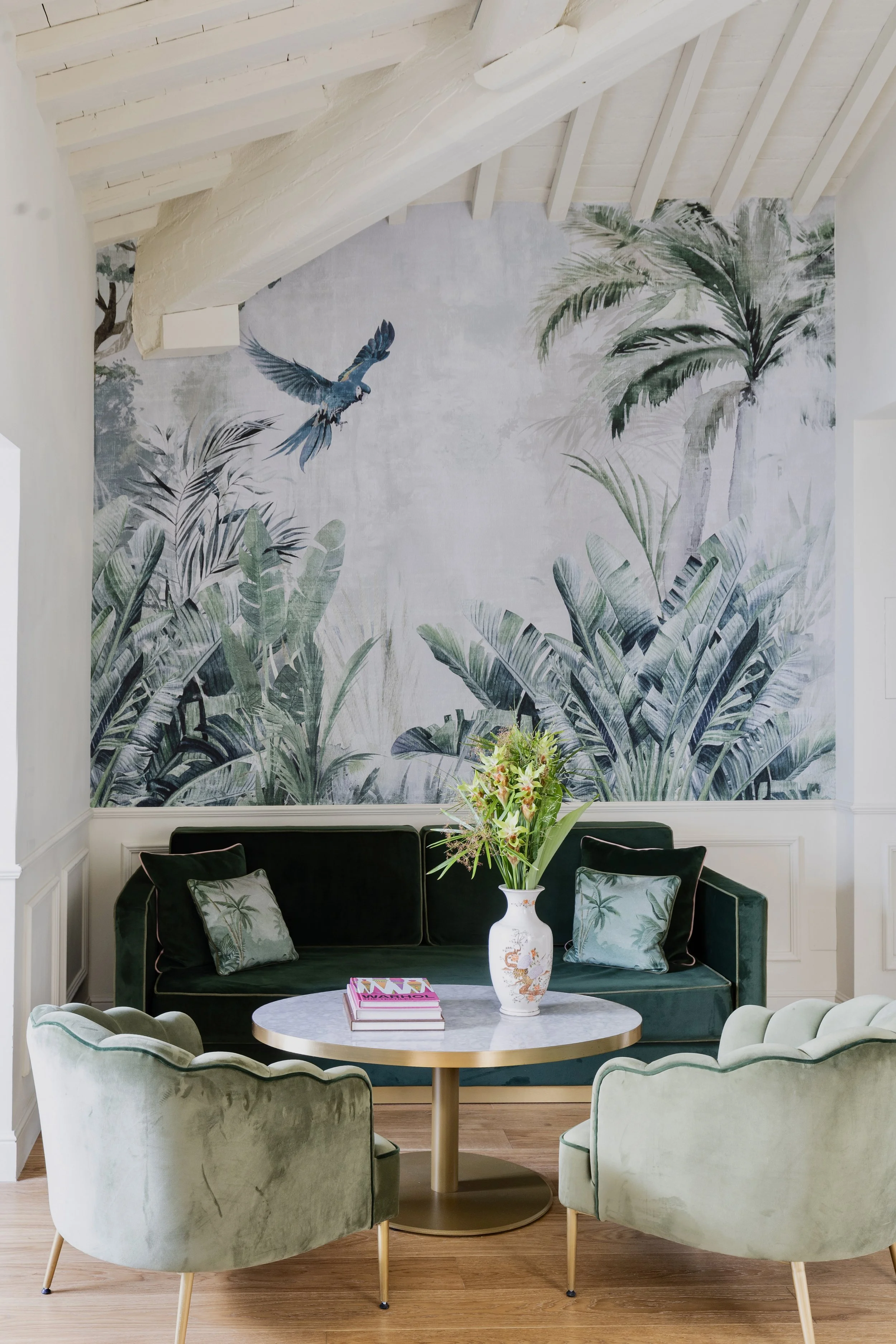
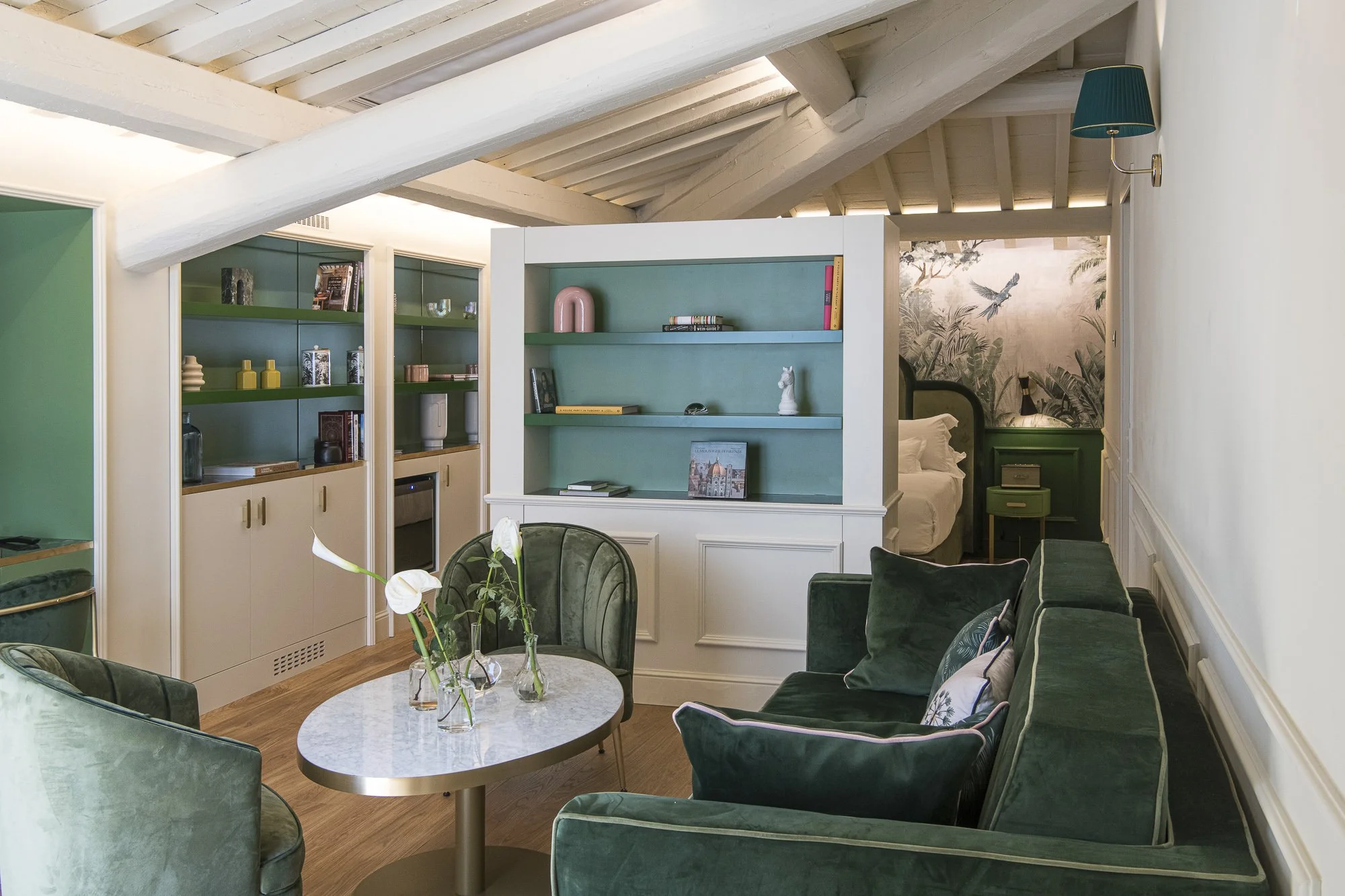
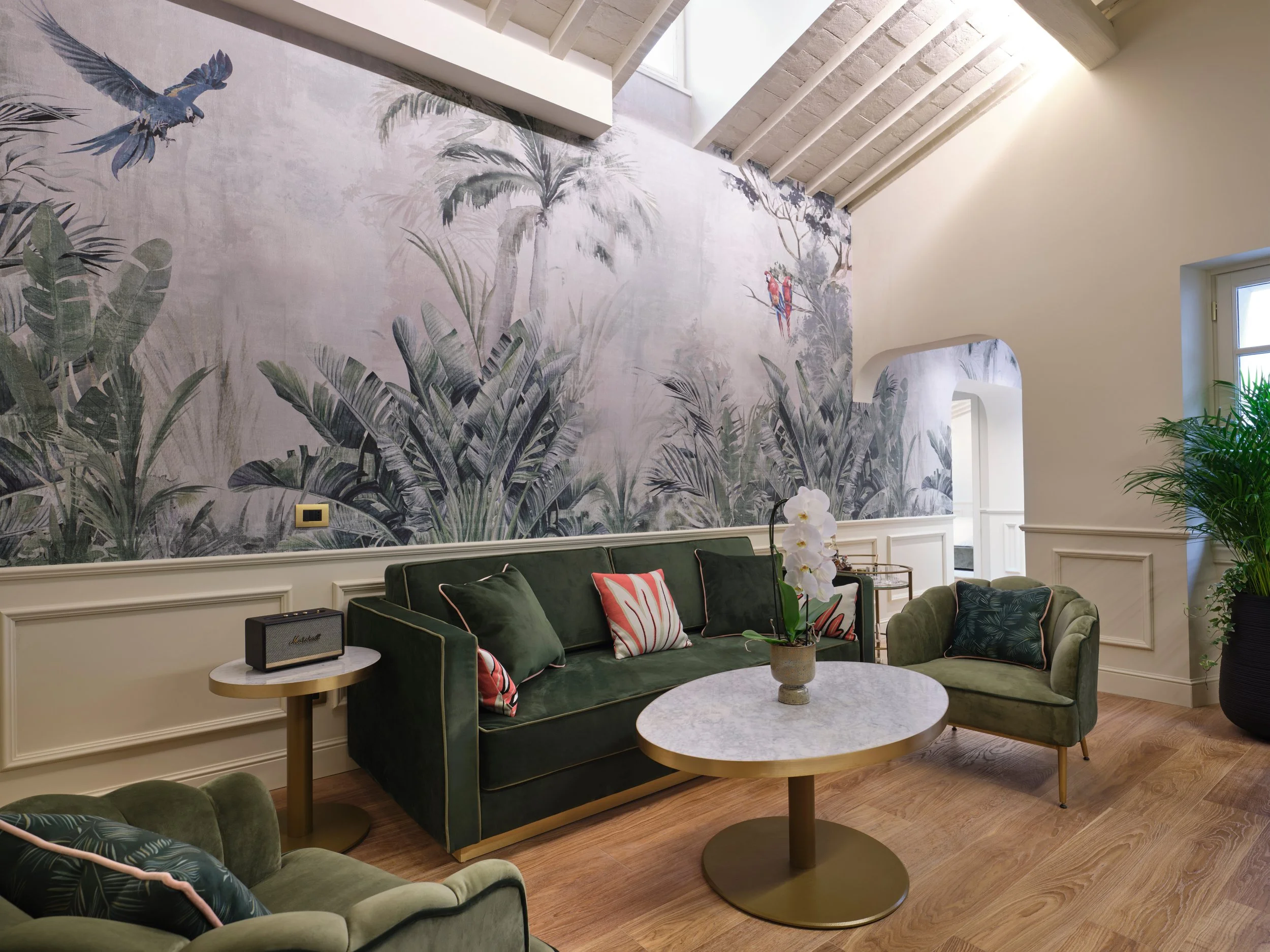
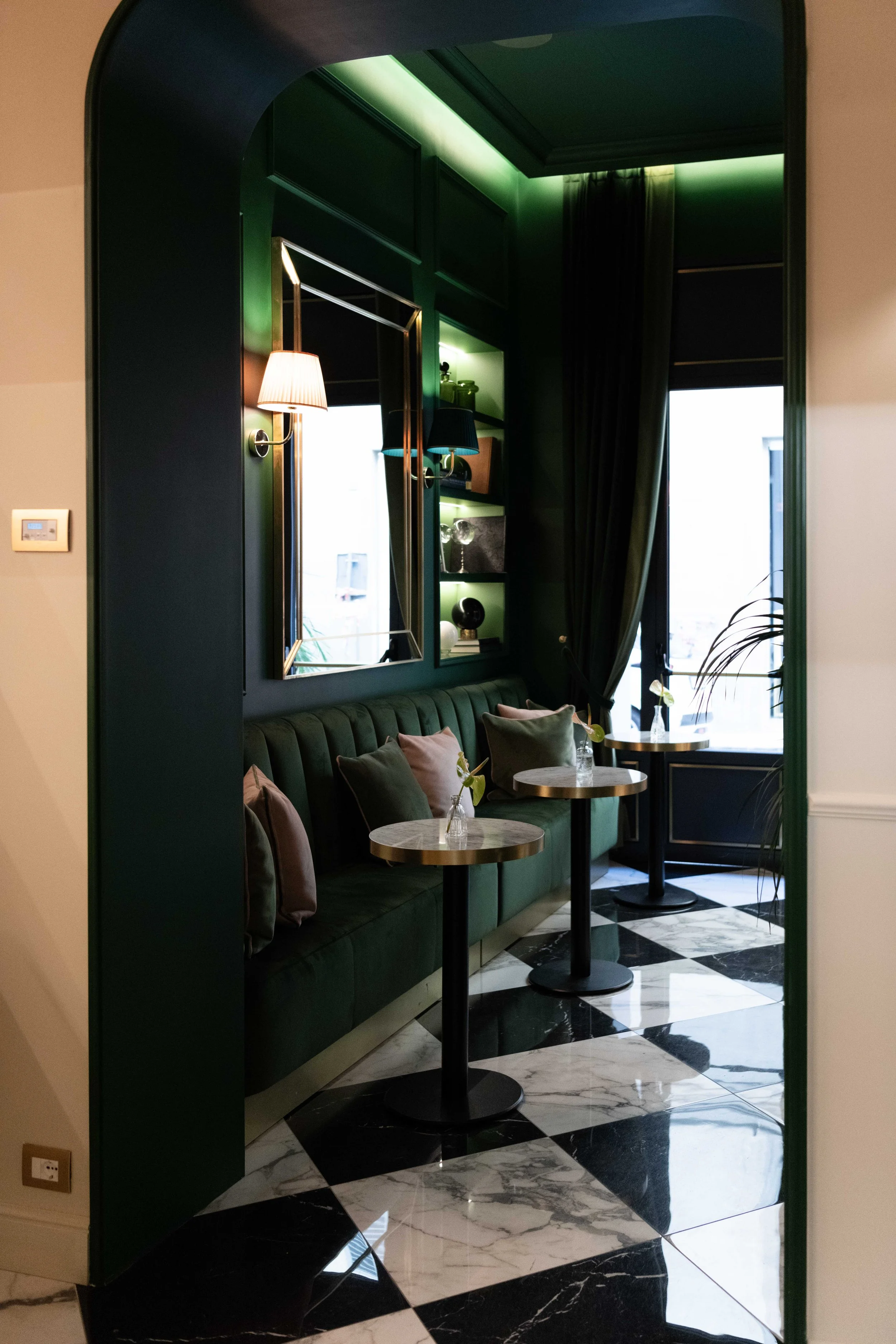
At La Gemma, the interiors make their point from the moment you walk in: saturated color, rich materials, sculptural forms, and unexpected details, all layered without feeling overdone. My family fell for it almost immediately. Perhaps we were an easy audience: the deep greens, powder pinks, marble, brass, velvet, and wood are essentially the color palette of our dreams.
During our stay at the hotel, in the heart of Florence, I kept noticing details I wanted to remember: the way green appears in different shades rather than as a single accent color, the contrast of polished marble and soft velvet, the dramatic mirrored ceiling in the lounge, and the smaller details that reveal themselves the longer you stay. The interiors are absolutely stunning, but they’re also so inviting that by the end of our stay, my family was ready to move in.
Rooms that make an impression but still invite you to settle in, is central to the hotel's design philosophy. “Our idea of luxury is closely connected to comfort and quality rather than opulence,” the design team explains. “We wanted guests to feel they were entering a distinctive, memorable world with a strong personality, while still experiencing the warmth and ease of a home.”
So I asked the team behind La Gemma's interiors about the thinking behind the spaces and, more importantly, what we can borrow from the hotel for our own homes.
1. Start With One Strong Color Idea
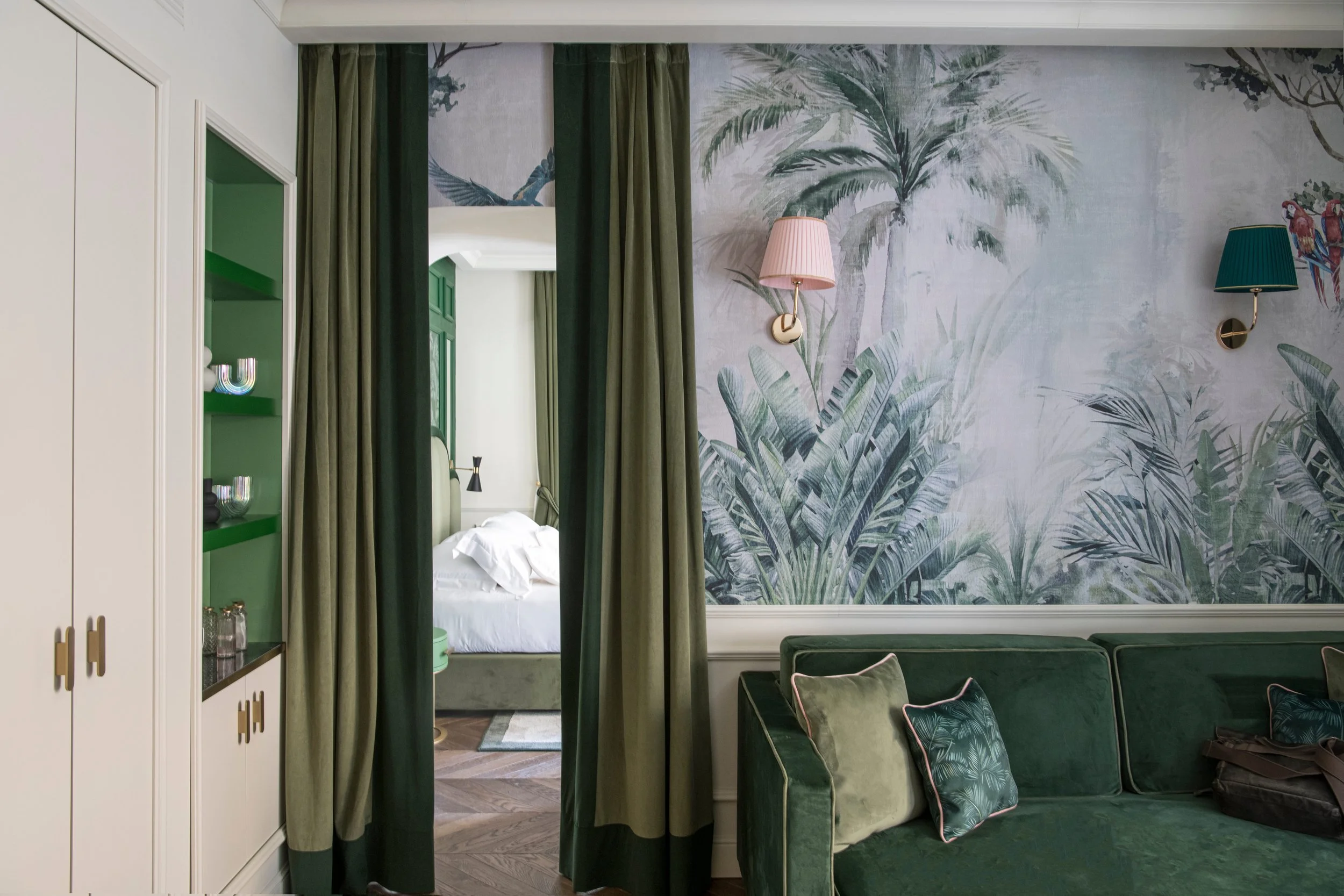
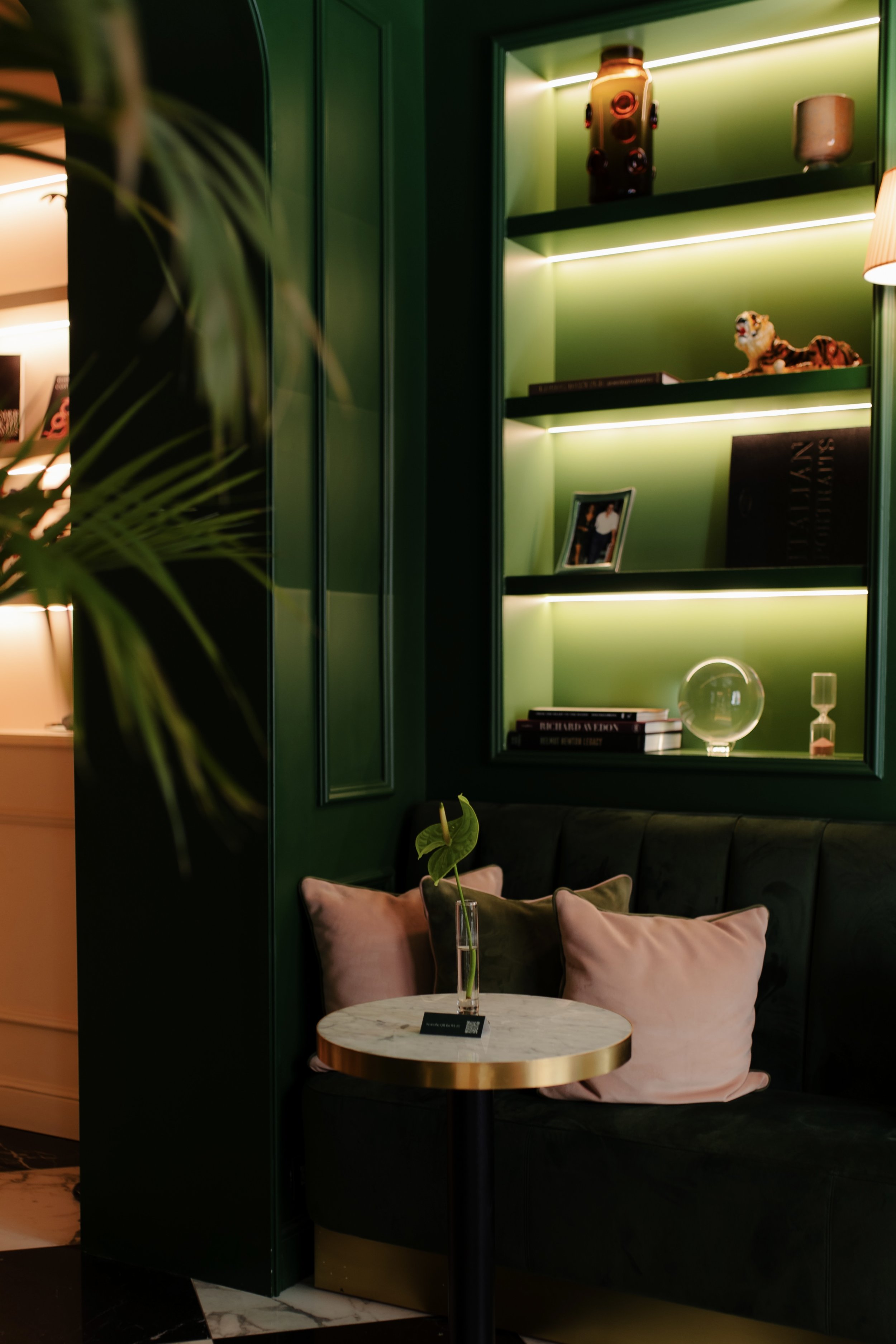
Color is one of the first things you notice at La Gemma, particularly the green. It appears throughout the hotel, from deep, saturated “Gemma green” to softer sage tones, often balanced by pink and ivory.
The palette isn't arbitrary. It began with one of Florence's most recognizable landmarks.
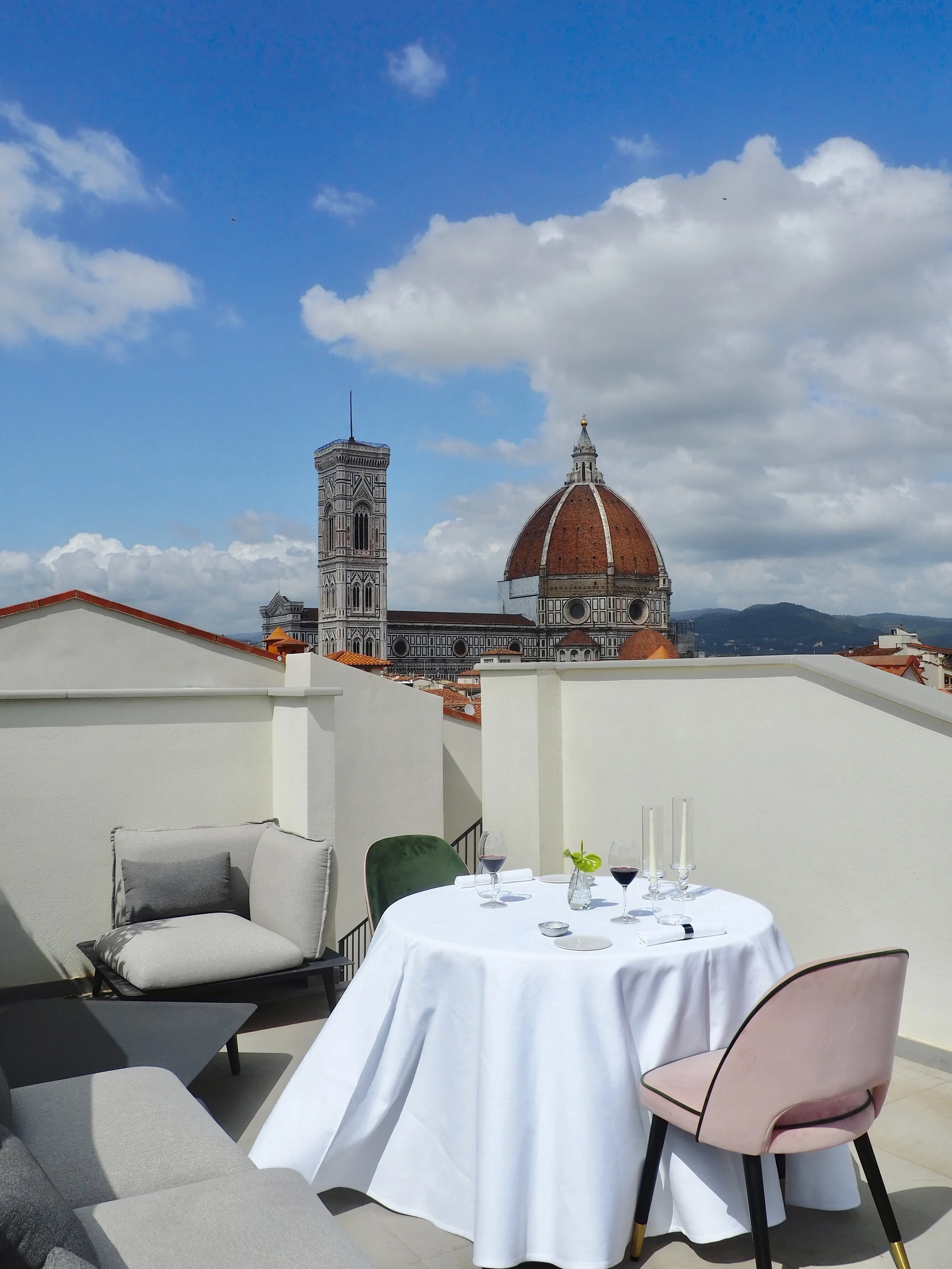
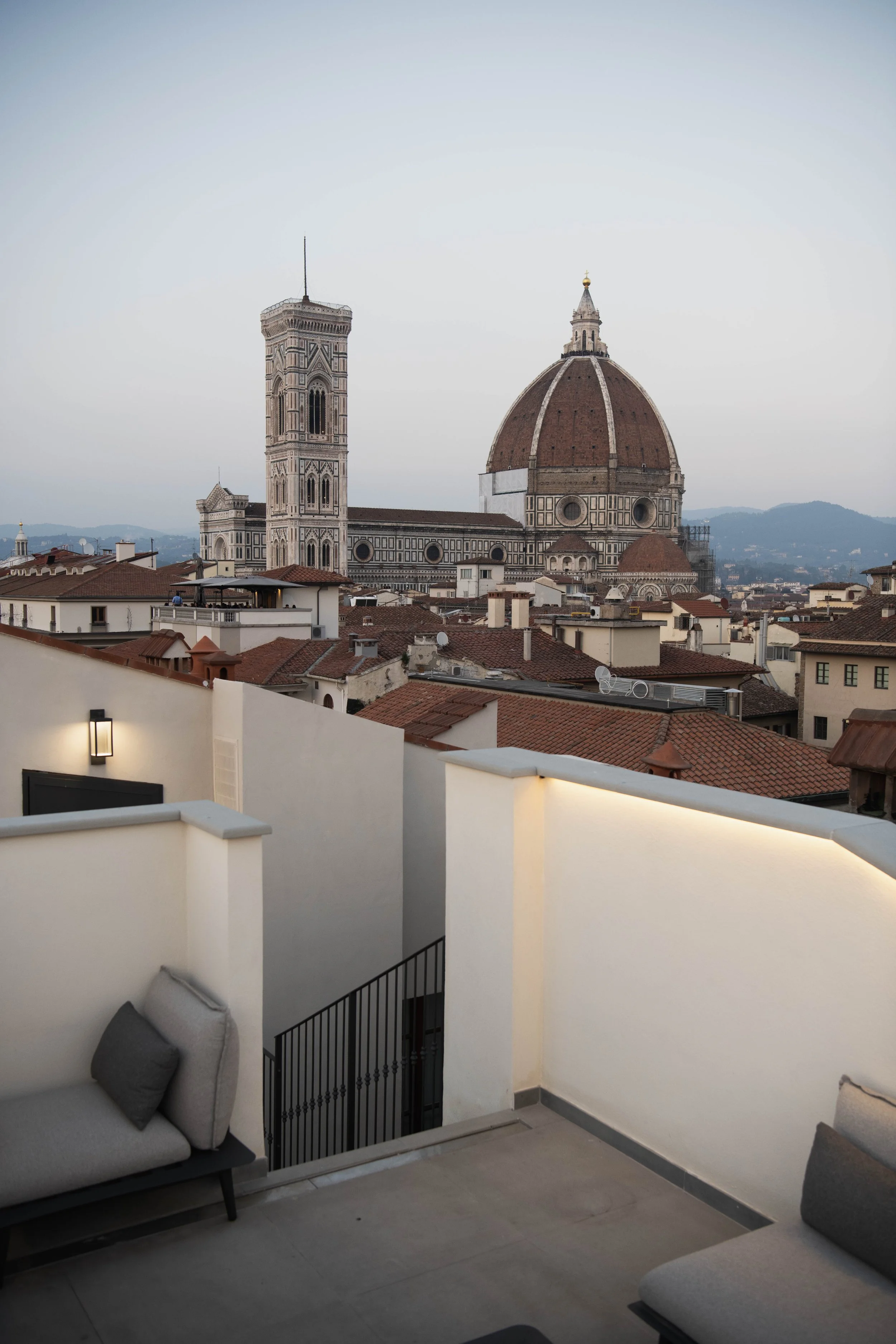
“One of our earliest references was the Duomo, with its iconic combination of green, pink, and ivory marble. Those colors became the starting point for La Gemma's identity,” the team explains. “Green became the protagonist of the hotel, appearing in different shades - from the deeper 'Gemma green' to softer sage tones - while pink and ivory create lighter counterpoints.”
Gemma Design Tip: “Don't be afraid of color, but use it with intention. You do not necessarily need many different colors or objects to create personality. Sometimes choosing one strong chromatic idea and carrying it through different materials, textures, and details can make a space feel much more cohesive, personal, and memorable.”
2. Create Contrast With Your Materials
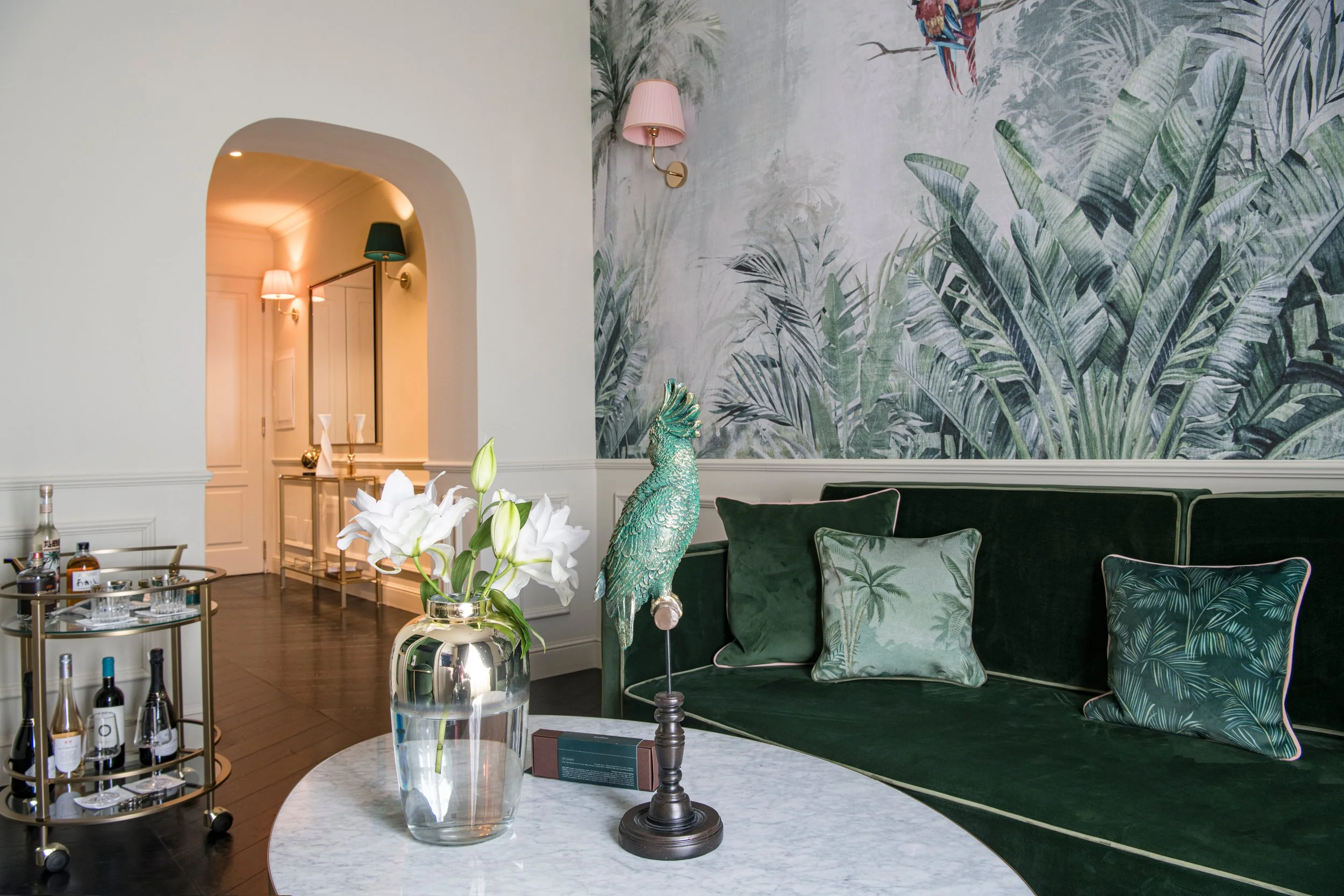
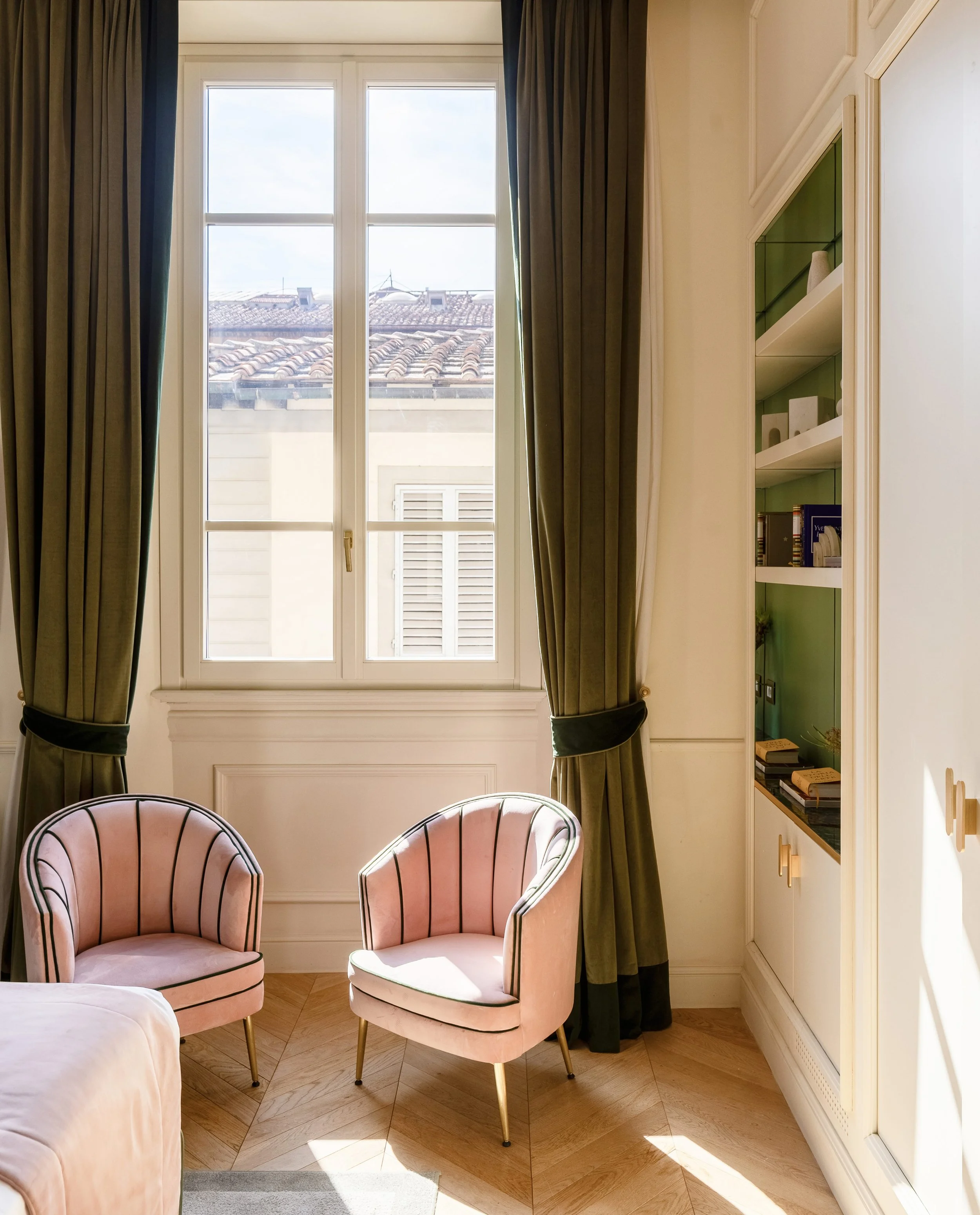
La Gemma uses a rich mix of marble, wood, brass, lacquered surfaces, velvet, and textured fabrics. But it's not simply the individual materials that make the interiors interesting. It's the contrast between them.
“We are naturally drawn to materials that have depth and character because they create both a visual and tactile experience,” the team explains.
Gemma Design Tip: “Something soft next to something polished, a warm surface against a colder one, or a decorative material balanced by something more understated. Those contrasts make an interior feel richer and more layered.”
3. Know When to Start Taking Things Away
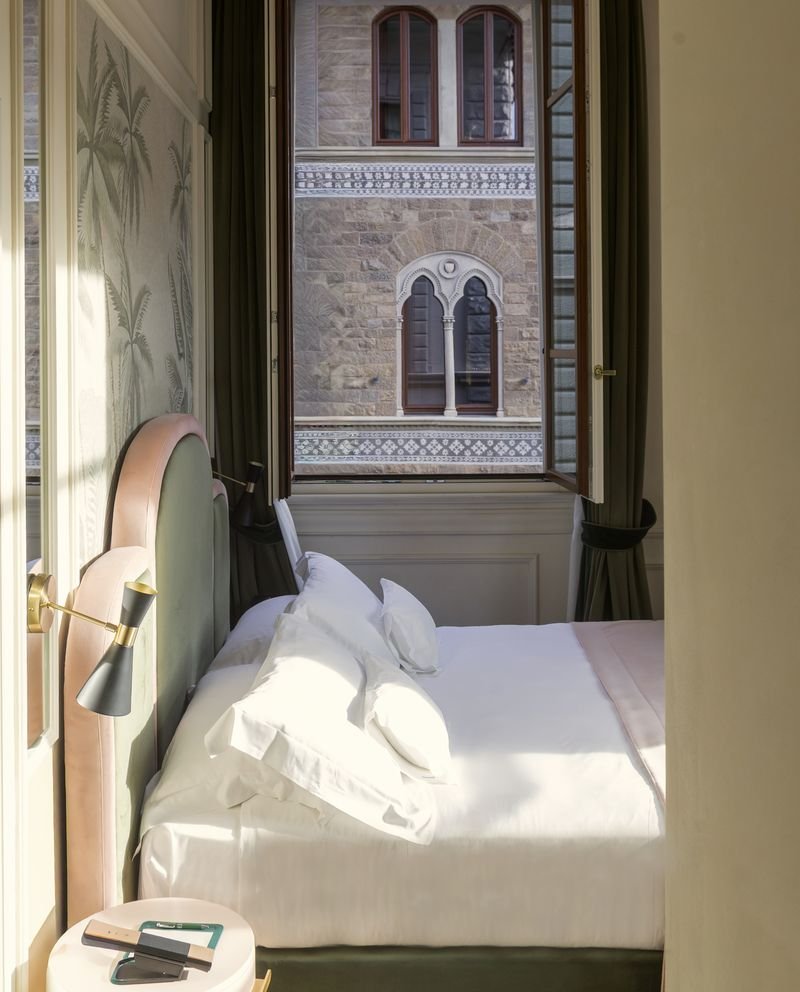
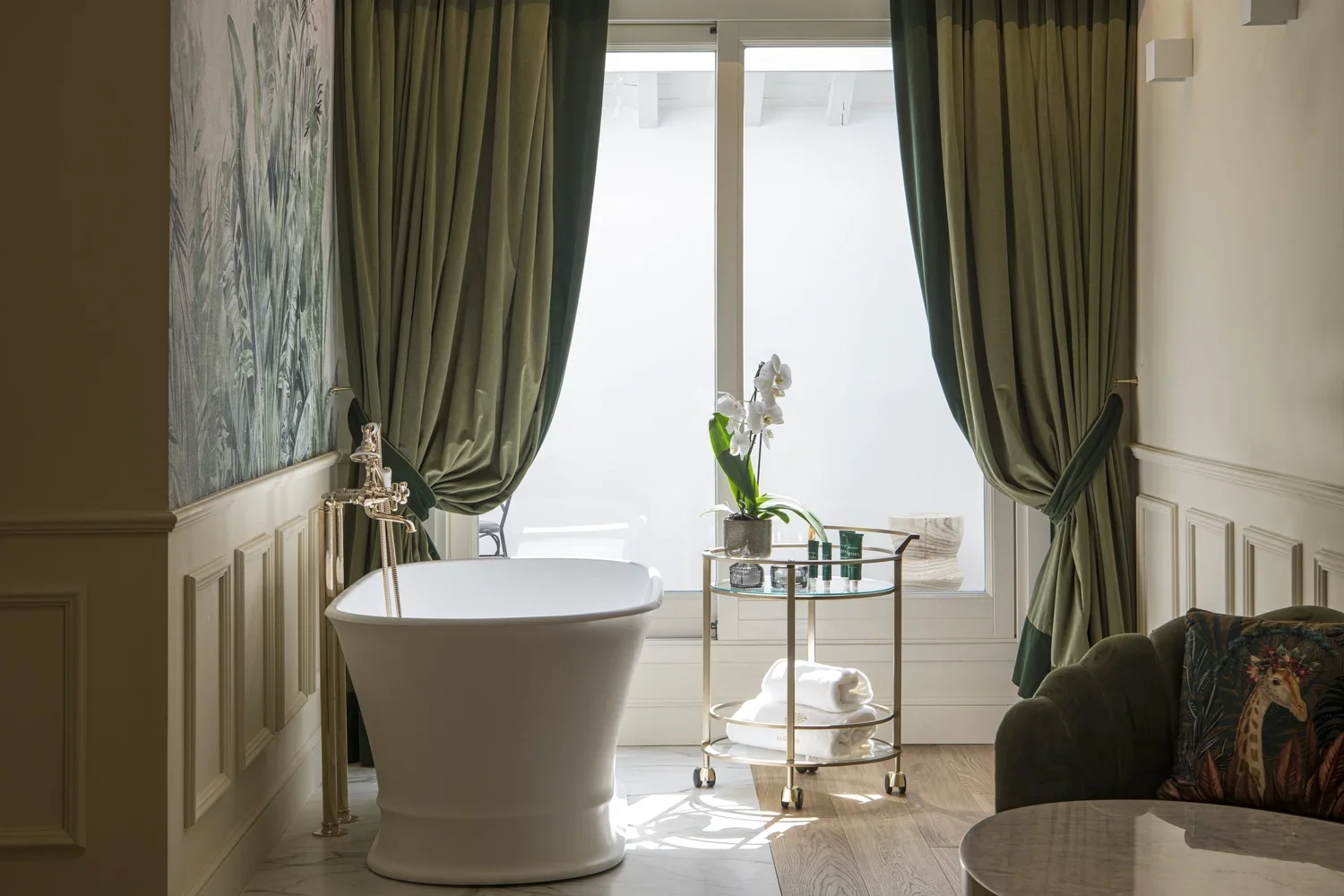
The guest rooms at La Gemma are filled with color, texture, lighting, furniture, and decorative details, yet they don't feel overly designed. That sense of balance comes from being as thoughtful about what gets removed as what gets added.
“For us, a space feels finished when every element has a reason to be there, but you no longer perceive the effort behind it,” the team says. “We love layered interiors, where colors, textures, lighting, furniture, and decorative objects create depth and invite discovery. At the same time, there has to be balance: when too many elements begin competing for attention, the space loses the sense of calm and comfort that is essential to hospitality.”
Gemma Design Tip: “There is always a moment in the design process when we begin taking things away rather than adding them. The goal is richness without visual noise - a space that feels curated, immersive, and memorable, yet also effortless and relaxing.”
4. Give a Room One Unexpected Moment
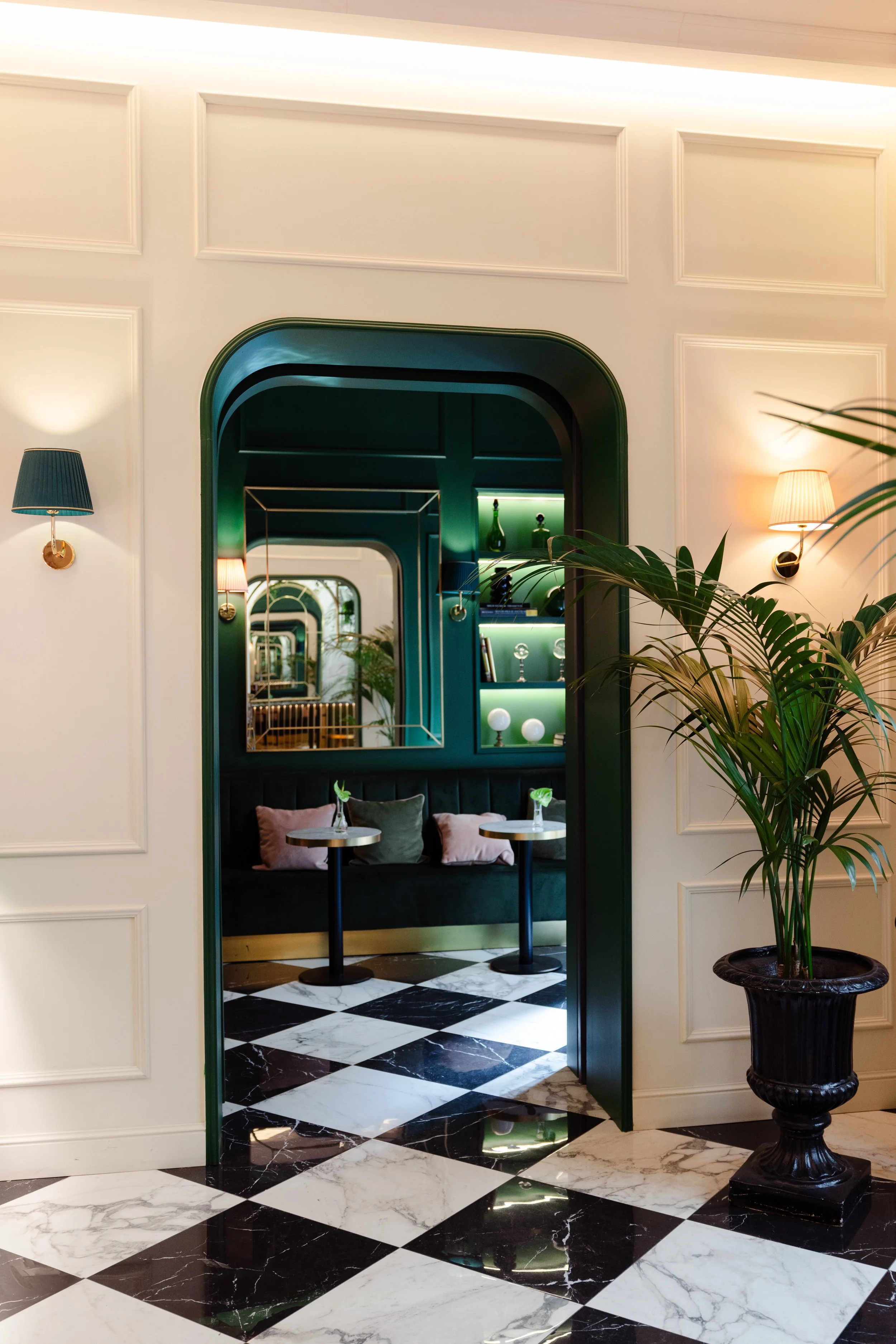
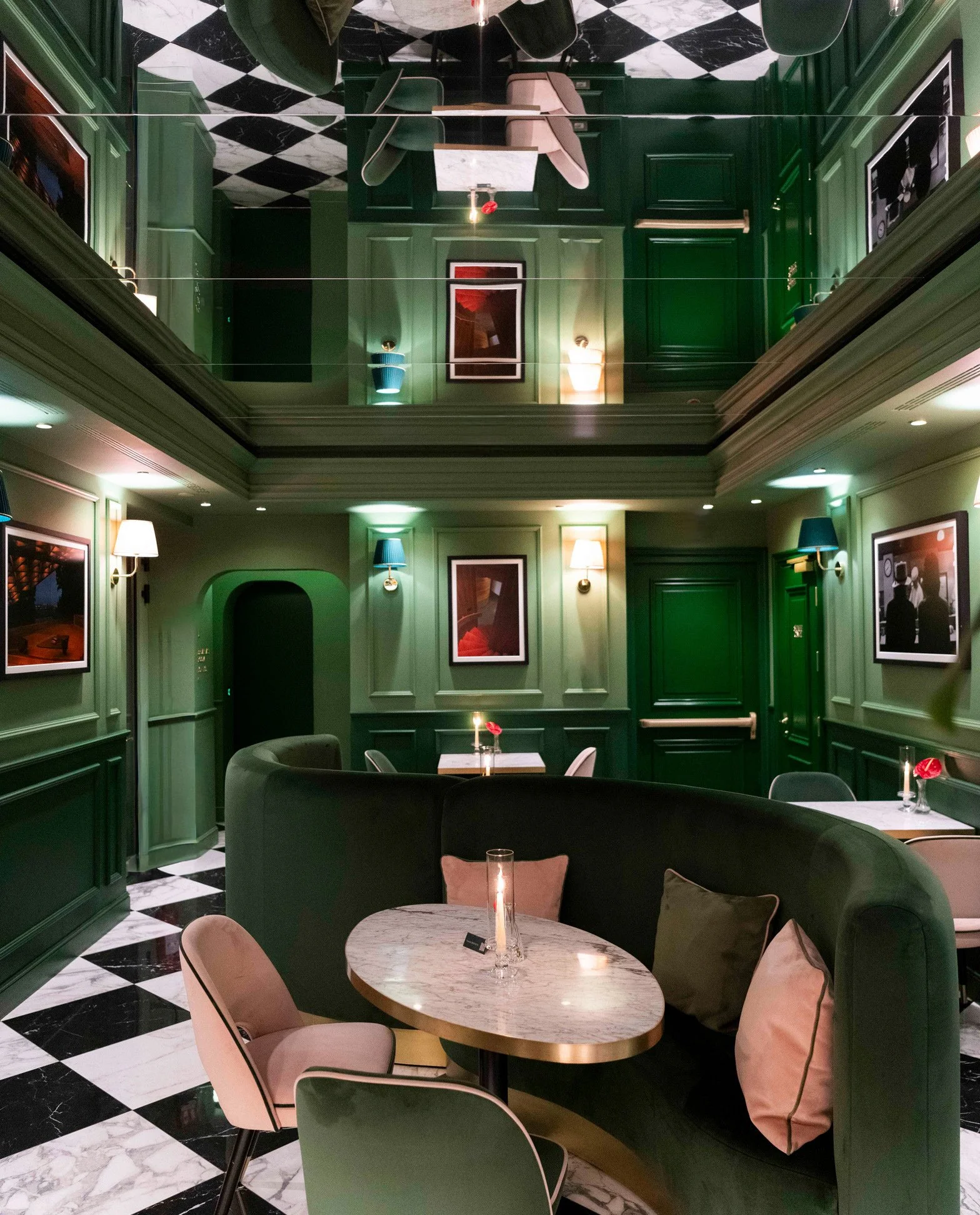
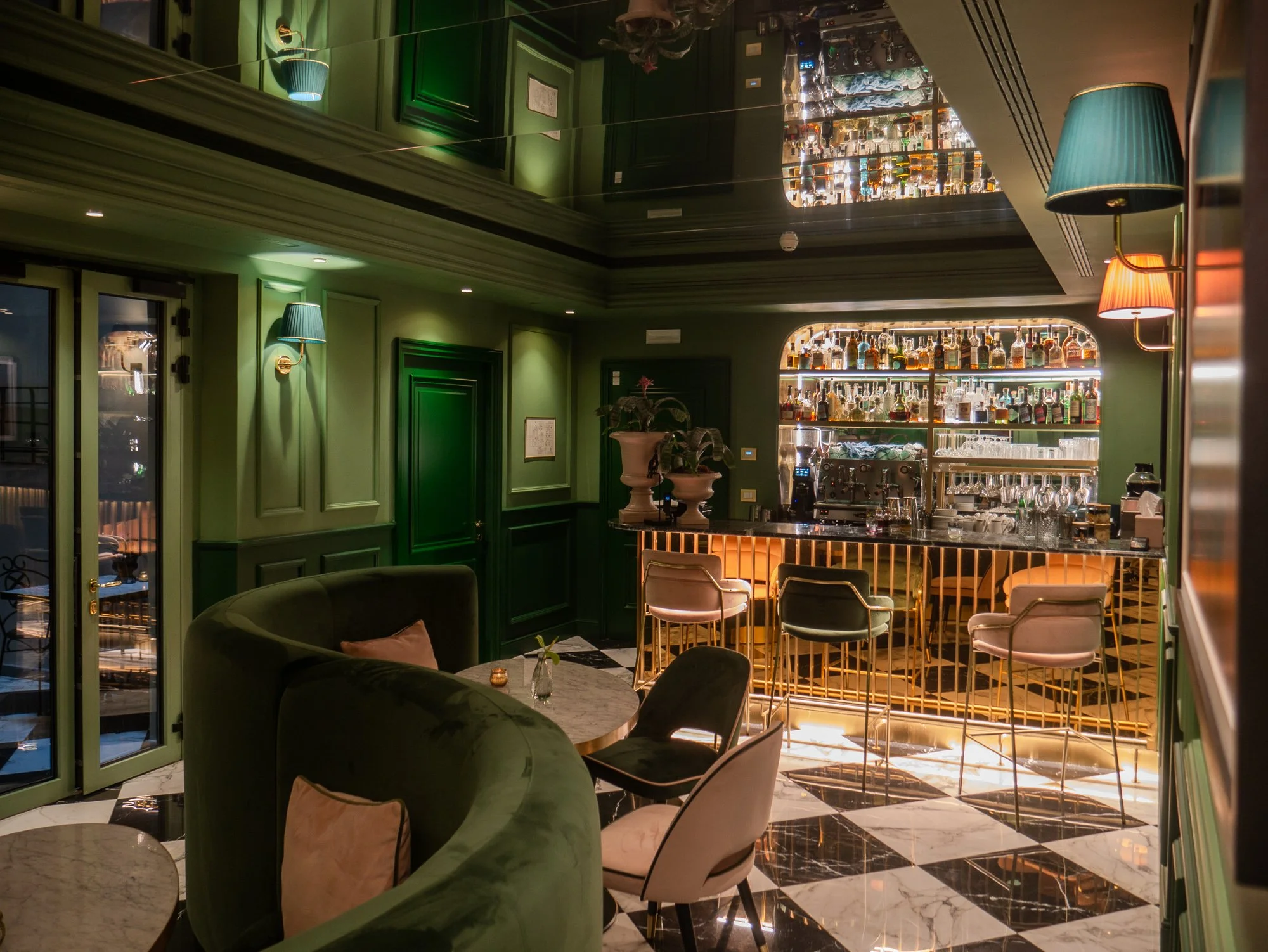
The lounge is perhaps the best example of La Gemma's more playful side. A sculptural sofa creates intimate seating areas, while the mirrored ceiling reflects the checkerboard floor below, completely changing your perception of the room.
“The lounge probably represents our design philosophy most completely because it brings together many of the ideas that define La Gemma: immersion, color, comfort, unexpected details, and a certain sense of theatricality,” the team explains. “The sculptural sofa creates intimate islands where guests can sit, talk, or simply spend time, while the mirrored ceiling - one of the defining elements of the project - changes the perception of the room. It reflects the checkerboard floor and creates unexpected perspectives, adding a playful and slightly surreal dimension.”
Gemma Design Tip: Let one element bring the drama. “What we particularly like is that it is highly scenographic without losing its sense of intimacy.”
5. Think About How Luxury Feels
La Gemma is filled with luxurious materials, but the team's definition of luxury has less to do with how expensive something looks than with the experience of actually using a space.
“For us, true luxury is the combination of quality, comfort, atmosphere, and attention to detail. It is the feeling of sitting in the right chair, experiencing beautiful lighting at the right intensity, touching a material that feels pleasant, or discovering that something has been designed specifically to make your stay more comfortable.”
Gemma Design Tip: “Luxury becomes meaningful when you experience it rather than simply look at it,” the team explains. “A space can be made with precious materials and still feel cold.”
6. Choose Pieces for the Room, Not in Isolation
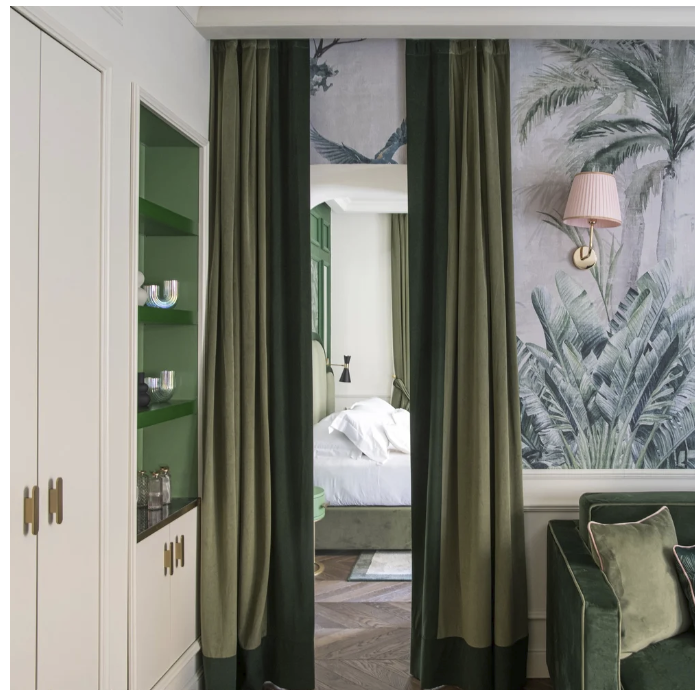
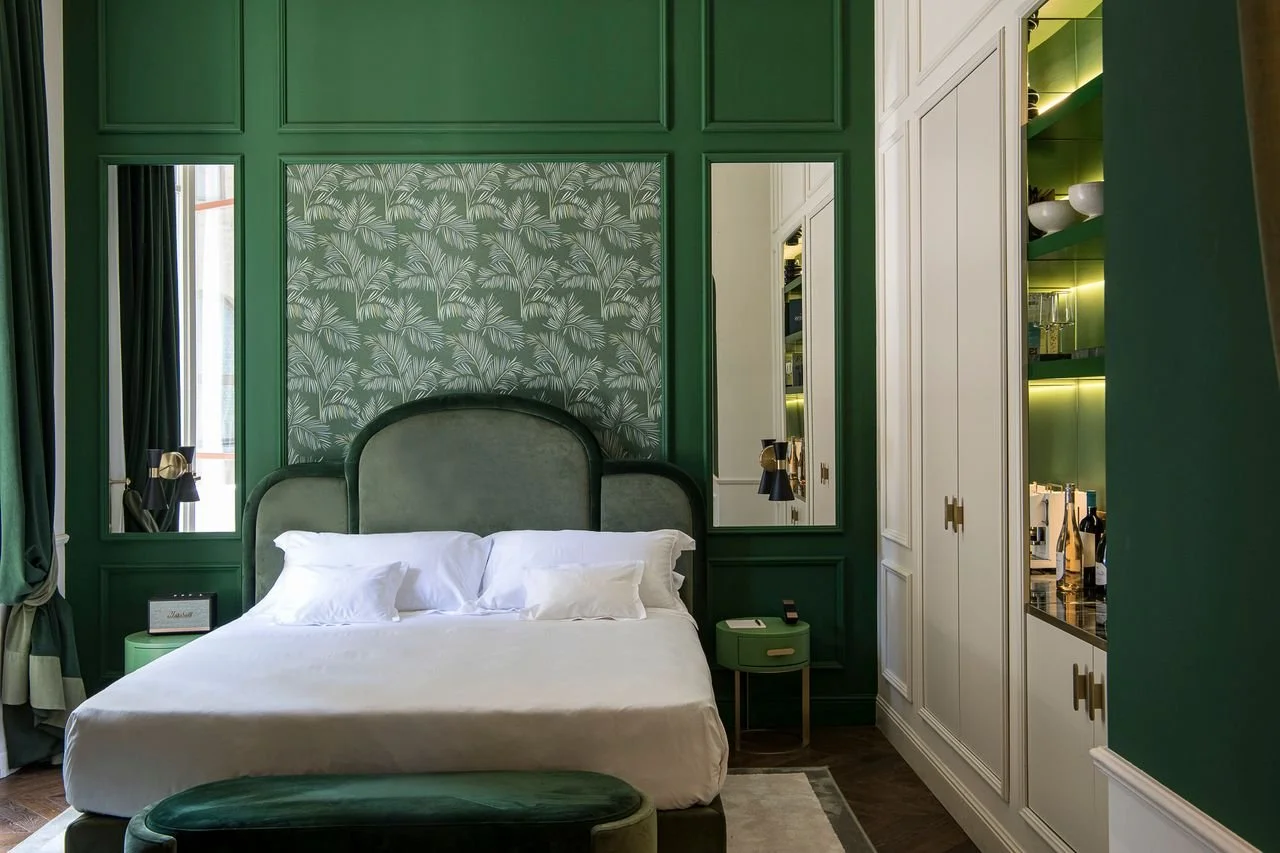
It's easy to fall in love with a chair, lamp, or decorative object on its own. At La Gemma, however, individual pieces are considered in relation to everything surrounding them. “Many of the elements at La Gemma were designed specifically for the project, which allowed us to work very precisely with proportions, materials, colors, and contrasts.”
But not every element needs to command attention. Part of what makes the interiors interesting is that there are details you don't necessarily notice the first time you enter a room. “We are especially interested in details that reveal themselves gradually, so that the experience of the hotel continues to unfold throughout the stay.”
Gemma Design Tip: “We tend to think of an interior as a composition in which every element contributes to the overall atmosphere. A piece does not necessarily have to be extraordinary on its own; what matters is the dialogue it creates with everything around it.”
7. Be Inspired by a Place Without Re-Creating It
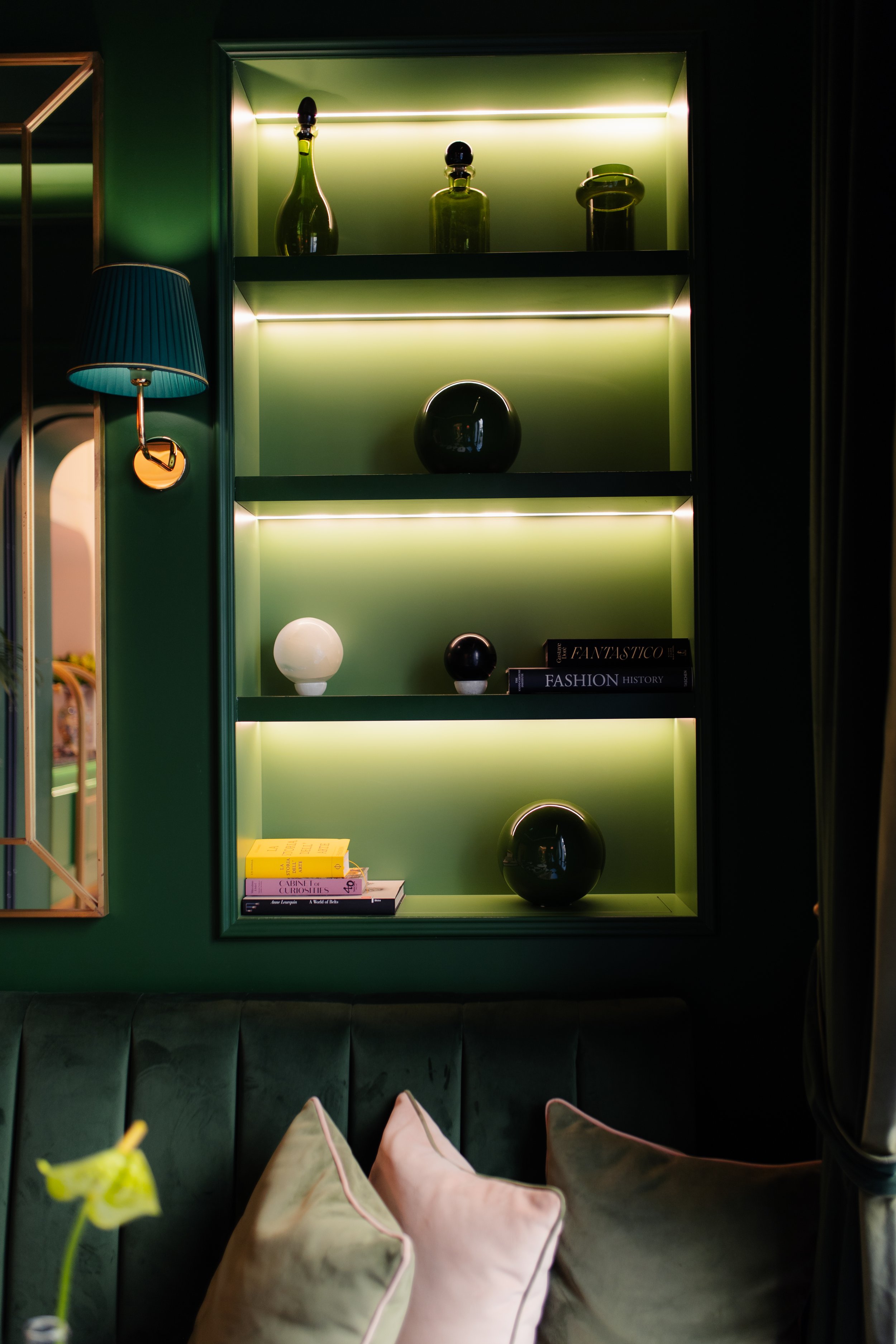
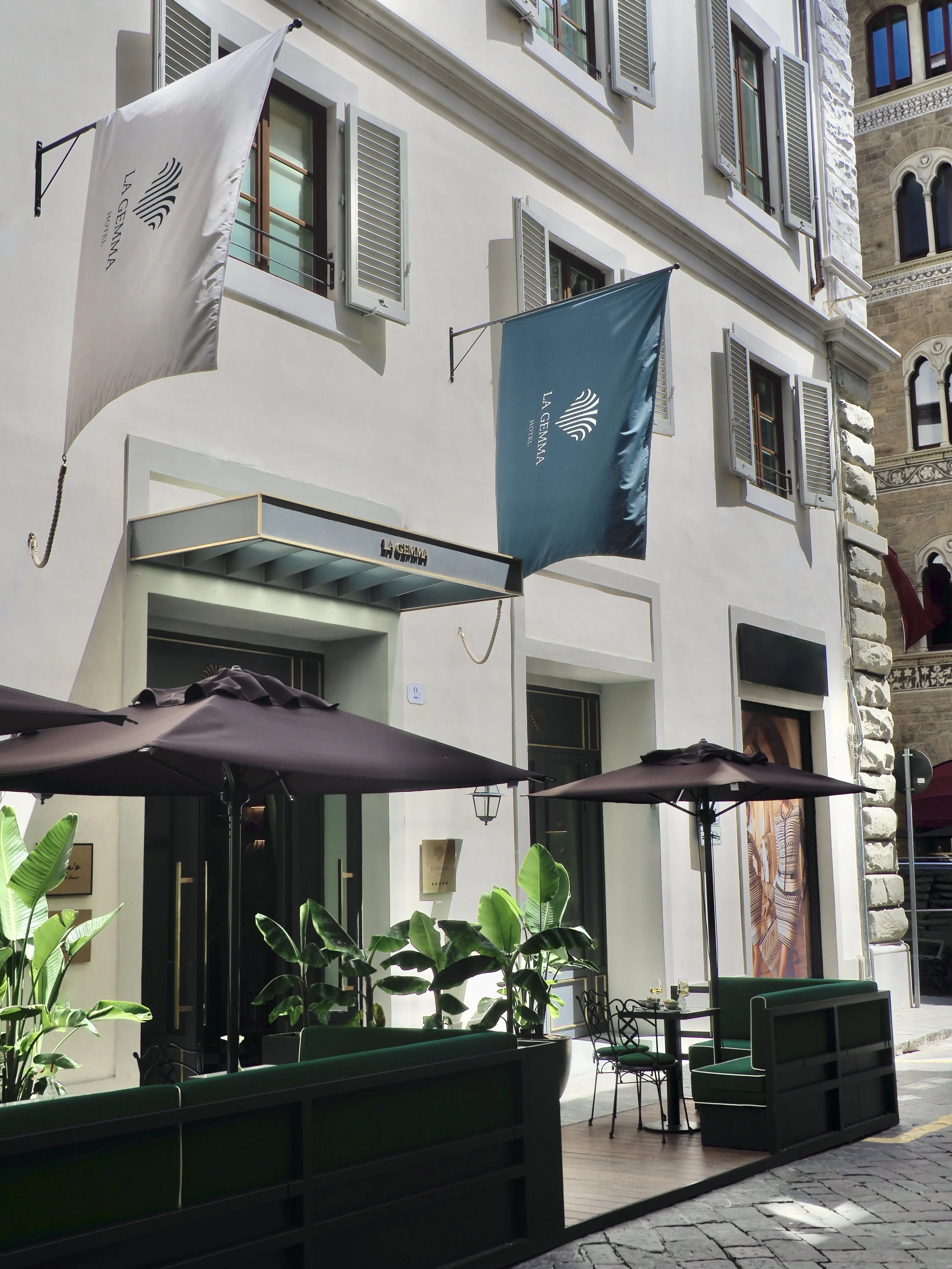
Despite being in the center of Florence, La Gemma doesn't attempt to reproduce a traditional Florentine interior. Instead, the designers were interested in capturing the atmosphere of Florence without reproducing its interiors literally.
“Rather than translating Florence literally, we wanted to reinterpret its visual heritage through a contemporary lens,” the team explains. “Marble, brass, wood, boiserie, and rich textiles evoke a certain classical elegance, but their proportions and combinations are distinctly contemporary.”
Gemma Design Tip: When bringing inspiration home from your travels, take cues from a place without trying to reproduce it.
A Design Language That Can Evolve
The Cecchi family are also opening two new boutique hotels later this year, another in Florence and one in Milan. As the family expands La Gemma beyond Florence, the goal is to create a recognizable design language while giving each hotel its own identity.
The team describes the approach as creating “a family resemblance rather than identical spaces.” Certain elements will carry from one property to another, including bespoke furniture and details, recurring materials and finishes, and distinctive black-and-white bathroom elements. Color, however, will help define each destination. “Florence is defined by green, paired with pink and ivory, while the new Milan project will have blue as its predominant color, combined with burgundy.”
TRAVEL NOTES
La Gemma, Florence, Italy: The interiors of La Gemma blend Art Deco elegance with Florentine heritage.
Design: Design by Gemini Studio, Milan
Stay: La Gemma
A centuries-old villa in the hills above Florence offers a fresh perspective on what makes a house feel like home. Discover seven design ideas worth bringing home from Il Salviatino.